Residential
Specialty Finishes, Venetian Plaster and Wood Staining
Feature walls, ceilings, millwork and metal that need something other than a roller: polished Venetian plaster, decorative and faux finishes, stained and sealed wood, and electrostatic painting for railings, doors and fixtures.
Who this is for
Homeowners and designers working on a specific surface rather than a whole house — an entry wall, a barrel ceiling, a bar front, a stair rail, a set of interior doors. These finishes are applied by hand in several stages, so they are quoted per surface once we have seen it. Wood staining carries a Florida caveat: exterior wood here takes heavy ultraviolet light and moisture, so decks, gates and outdoor furniture need a penetrating stain and a maintenance interval, not a surface film that will crack and peel.
What's included
- Sample boards prepared and viewed in your own light before anything goes on the wall
- Substrate leveled and primed to the standard the chosen finish requires
- Venetian and lime plaster applied and burnished in multiple passes, then sealed
- Faux and decorative finishes built up in layers to an agreed sample
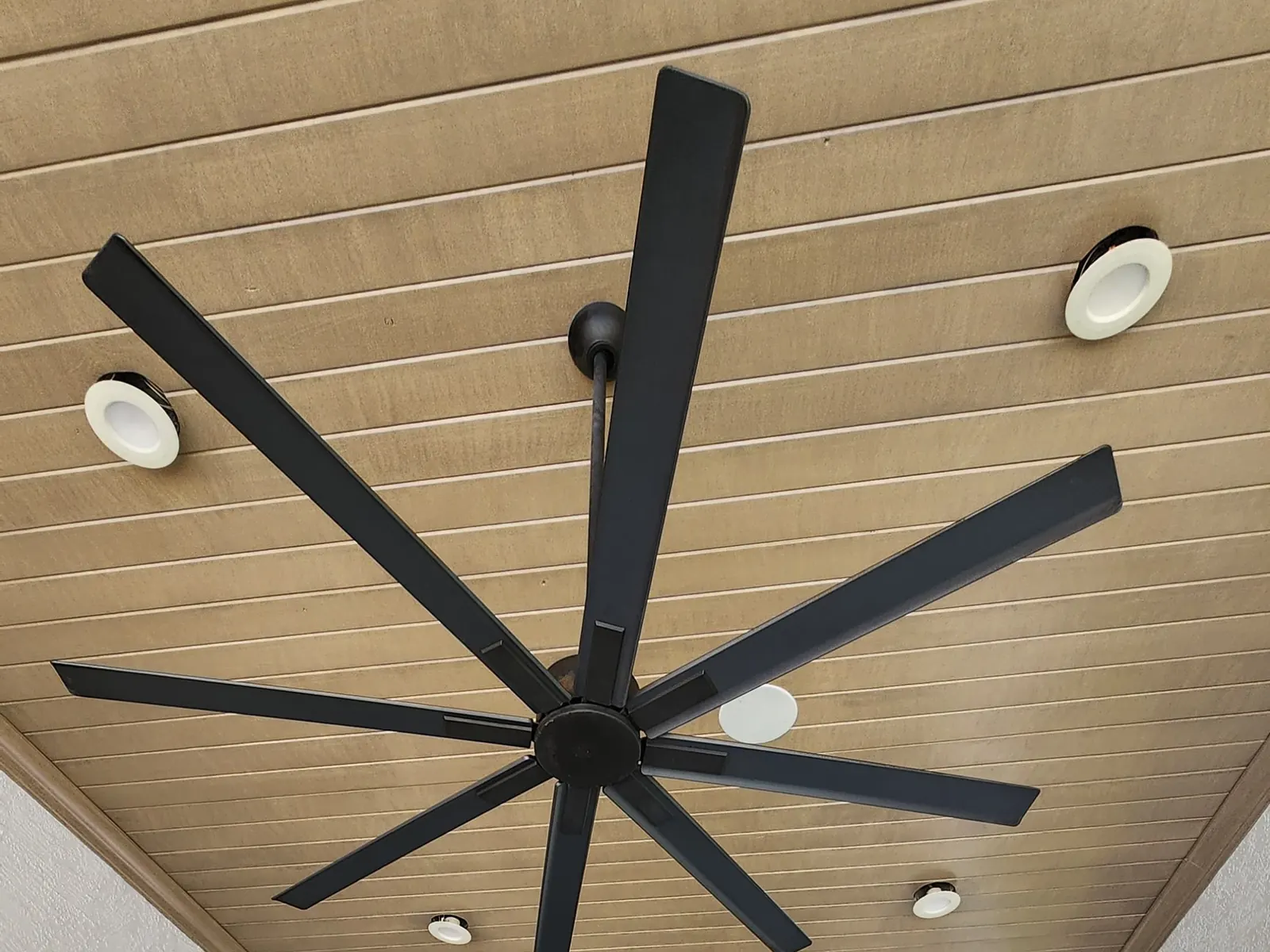
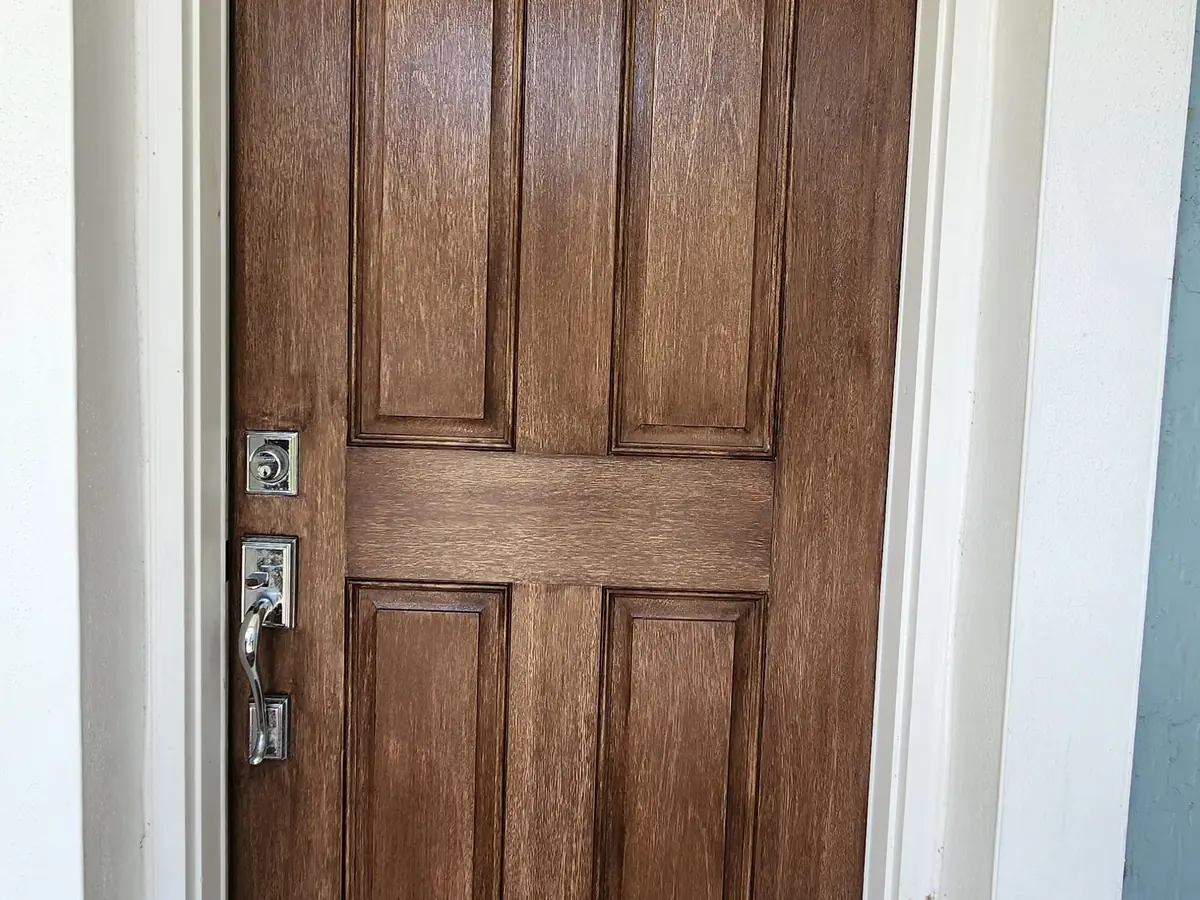
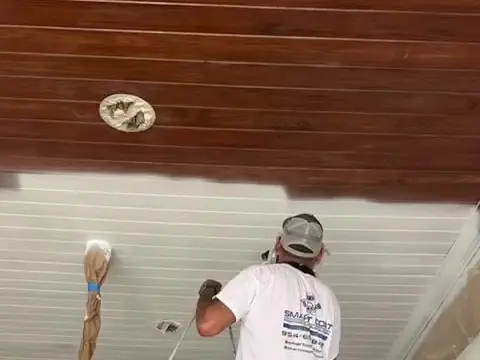
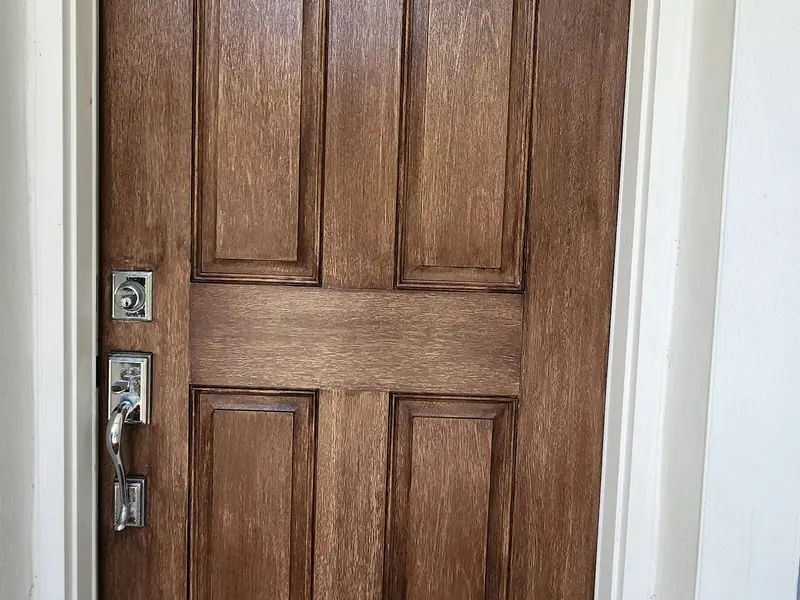
- Interior wood cleaned, sanded, stained and protected with a clear topcoat
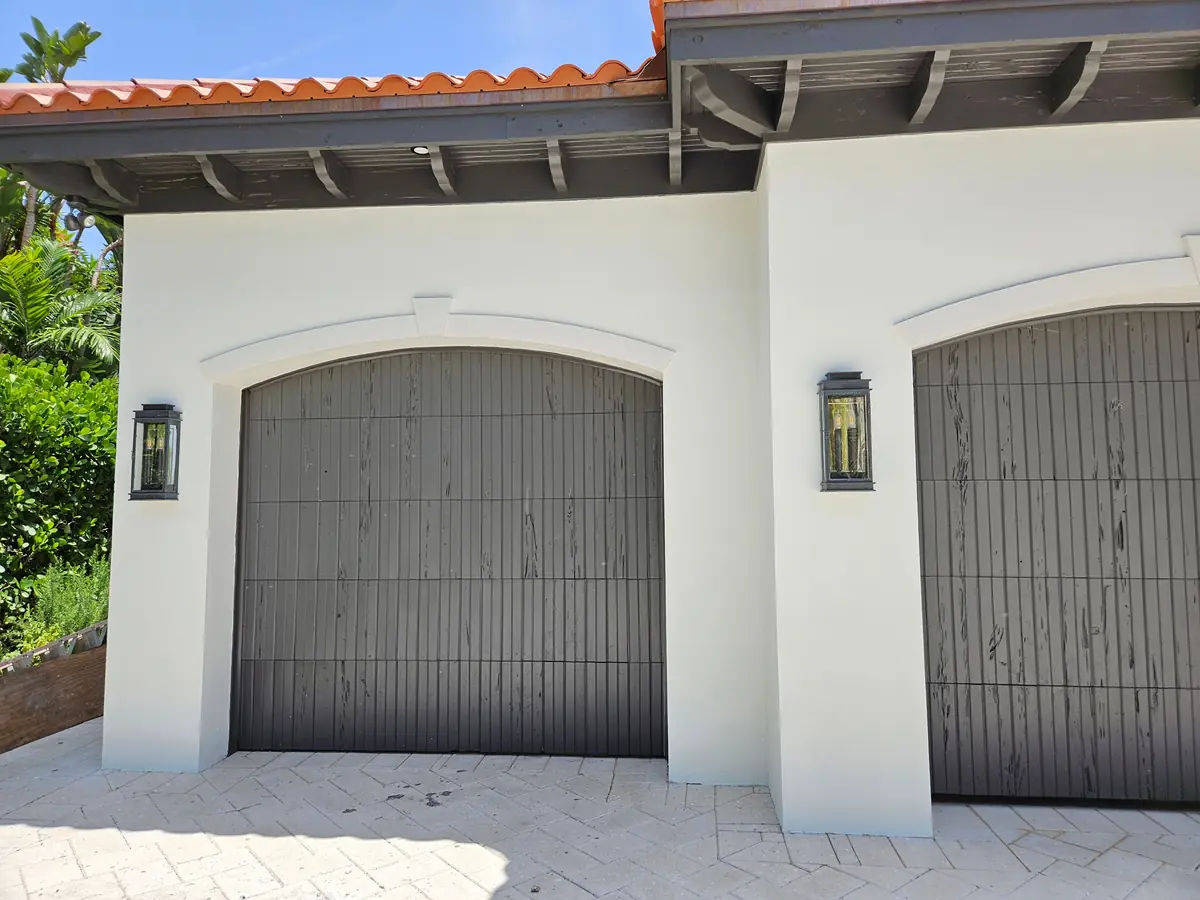
- Exterior wood cleaned, brightened and treated with a penetrating stain
- Electrostatic painting of railings, doors, lockers and fixtures in place
- Adjacent surfaces, floors and fixtures fully masked before work begins
Our process for specialty finishes
Sample and agree on the finish
We prepare sample boards and view them on site in the actual light, because a plaster or glaze reads completely differently under a showroom lamp than on your wall at four in the afternoon.
Prepare the substrate
Decorative finishes show every flaw underneath them. Walls are skimmed, sanded and primed to the flatness the finish requires before the first decorative coat.
Apply in layers
Plaster, glaze and stain finishes are built up in successive passes, each cured or burnished before the next. This is hand work, and it sets the schedule.
Seal and protect
Plaster is sealed or waxed, stained wood gets a clear protective topcoat, and metal gets a cured electrostatic finish — so the surface can be cleaned normally afterwards.
Materials and systems
- Lime-based Venetian and polished plasters with wax or sealer topcoats
- Glazes, metallics and textured products for decorative and faux work
- Penetrating and semi-transparent stains for interior and exterior wood
- Waterborne clear topcoats from matte through gloss
- Electrostatic coatings for railings, doors, lockers and metal fixtures
On the job
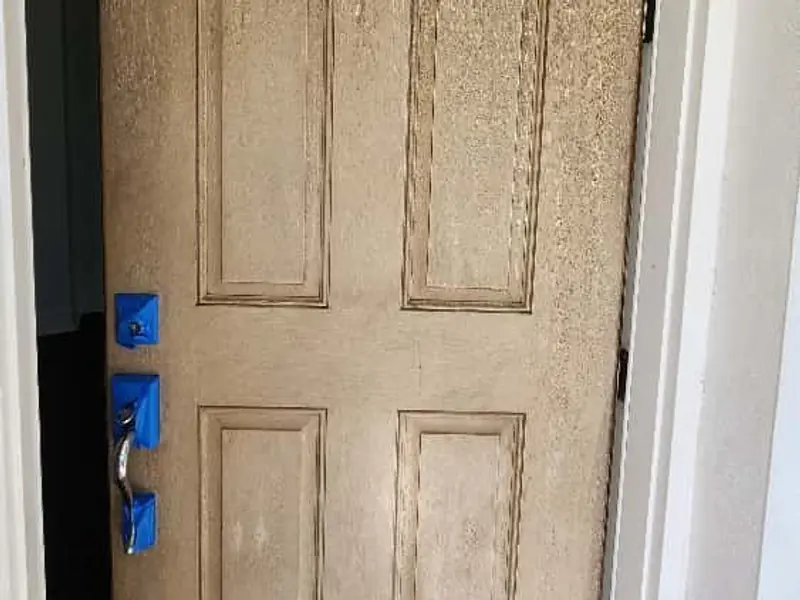
Before and after
What affects the price
- The specific finish — a two-layer glaze and a burnished Venetian plaster are very different jobs
- Condition of the substrate and how much leveling it needs first
- Surface area, ceiling height and access
- Number of sample rounds before you approve the finish
- For staining: the species and condition of the wood, and interior or exterior exposure
Questions about this service
What is Venetian plaster?
It is a lime-based finish applied in thin layers with a trowel and burnished to a polished, stone-like surface with visible depth. Because it is a mineral finish rather than a film, it is breathable and ages well — but it needs a very flat, properly primed substrate underneath.
What is electrostatic painting and when is it used?
Electrostatic painting gives the coating an electrical charge so it is attracted to a grounded metal object and wraps around it evenly, including the back faces. It is used for railings, gates, doors, lockers and fixtures that need a factory-quality finish without being removed and taken away.
Can you match an existing decorative finish?
Usually, yes. We prepare sample boards against the existing surface and adjust until it reads correctly in your light. Matching is easier on glazes and textures than on aged plaster, and we will tell you at sample stage how close we expect to get.
How long do faux and plaster finishes last?
Indoors, sealed plaster and glaze finishes last as long as ordinary paint and often longer, because they are not one fragile film. They can be cleaned gently and, when a wall is eventually damaged, repaired in place by re-working the affected area.
How is exterior wood staining different in Florida?
Ultraviolet light and humidity are the deciding factors, so exterior wood here needs a penetrating stain rather than a surface film that will crack and peel. Expect to refresh exterior stain on a regular cycle; we will tell you what interval to plan for the specific wood and exposure.
Do you stain doors and interior millwork?
Yes — doors, stair parts, built-ins and trim are all normal staining work. Interior stained wood is sealed with a clear topcoat chosen for the sheen you want and the amount of handling the surface gets.
Keep looking
Related services
- Interior PaintingWalls, ceilings, trim and doors — prepped properly and cut in clean.Explore
- Exterior PaintingStucco, block, wood and trim, prepped for Florida sun, salt air and rain.Explore
- Remodeling & AdditionsKitchens, baths, build-outs, additions, tile, counters and built-in millwork.Explore
Where we do specialty finishes
Guides
Guides on specialty finishes
Sourced answers to the questions this work raises most often. Every figure carries a citation.
All guidesNo obligation
Get a price for your specialty finishes job
Send the details and we will walk the property, write a scope you can read, and price it line by line.