Commercial & HOA
Sandblasting and Diamond Grinding
Coatings fail because of what is underneath them. Abrasive blasting and diamond grinding strip old finishes, remove rust and adhesive residue, and leave concrete, metal and masonry with the profile the next system actually needs.
Who this is for
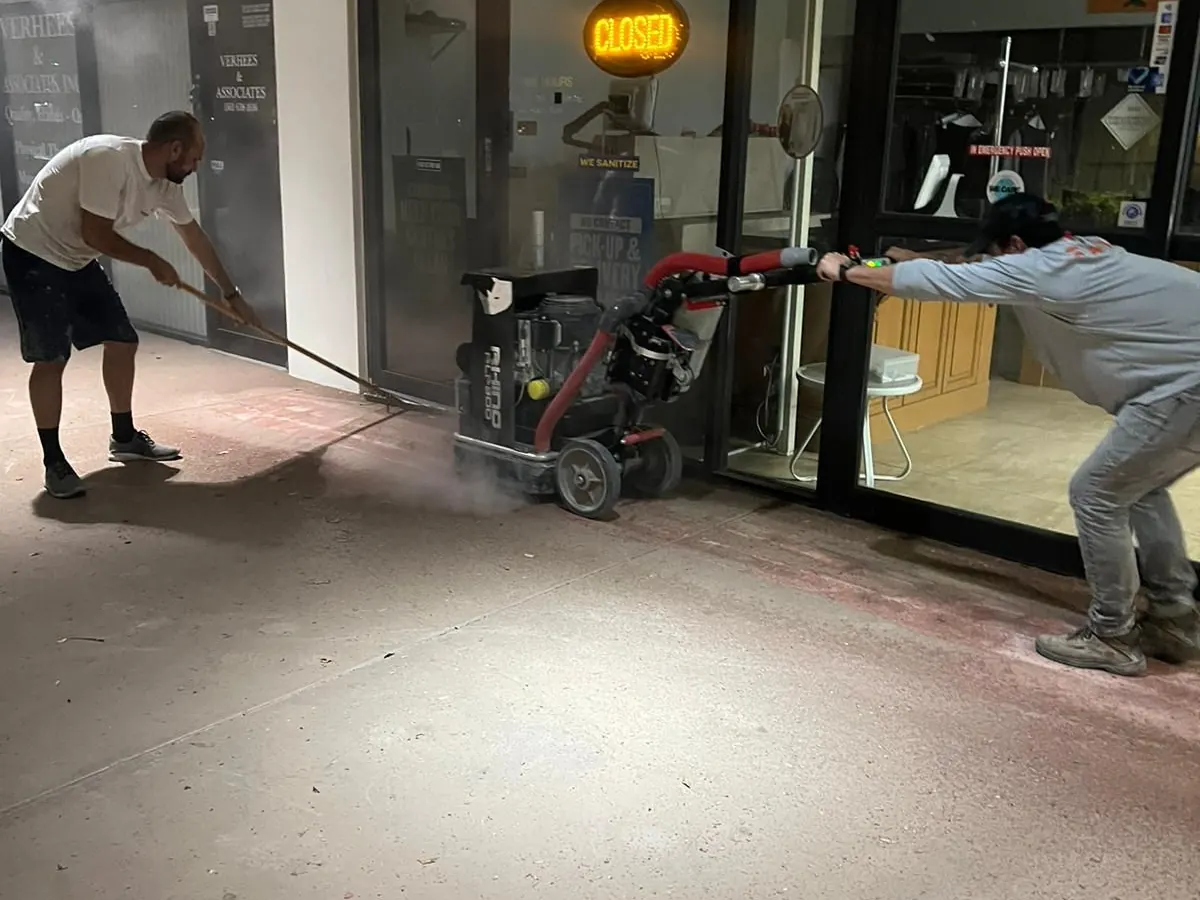
General contractors, property managers and industrial owners preparing floors, structures and metalwork for coating — and anyone whose previous coating failed because it was applied over a surface that was never properly prepared. Which method applies depends on the substrate: diamond grinding levels concrete, removes coatings, glue and mastic residue, and opens the surface profile for epoxy, urethane or polished finishes; abrasive blasting strips rust, mill scale and old paint from steel and roughens masonry. Both are dusty processes, so containment and dust control are part of the scope, not an afterthought.
What's included
- Assessment of the substrate and the coating system it has to receive
- Diamond grinding of concrete floors, slabs, walkways and pool decks
- Removal of adhesives, mastic, thin-set, epoxy and old coatings
- Leveling of high spots, trip hazards and uneven slab joints
- Abrasive blasting of structural steel, railings, tanks, gates and machinery
- Rust, mill scale and old paint removal to the profile the coating specifies
- Masonry and concrete blasting where a mechanical key is required
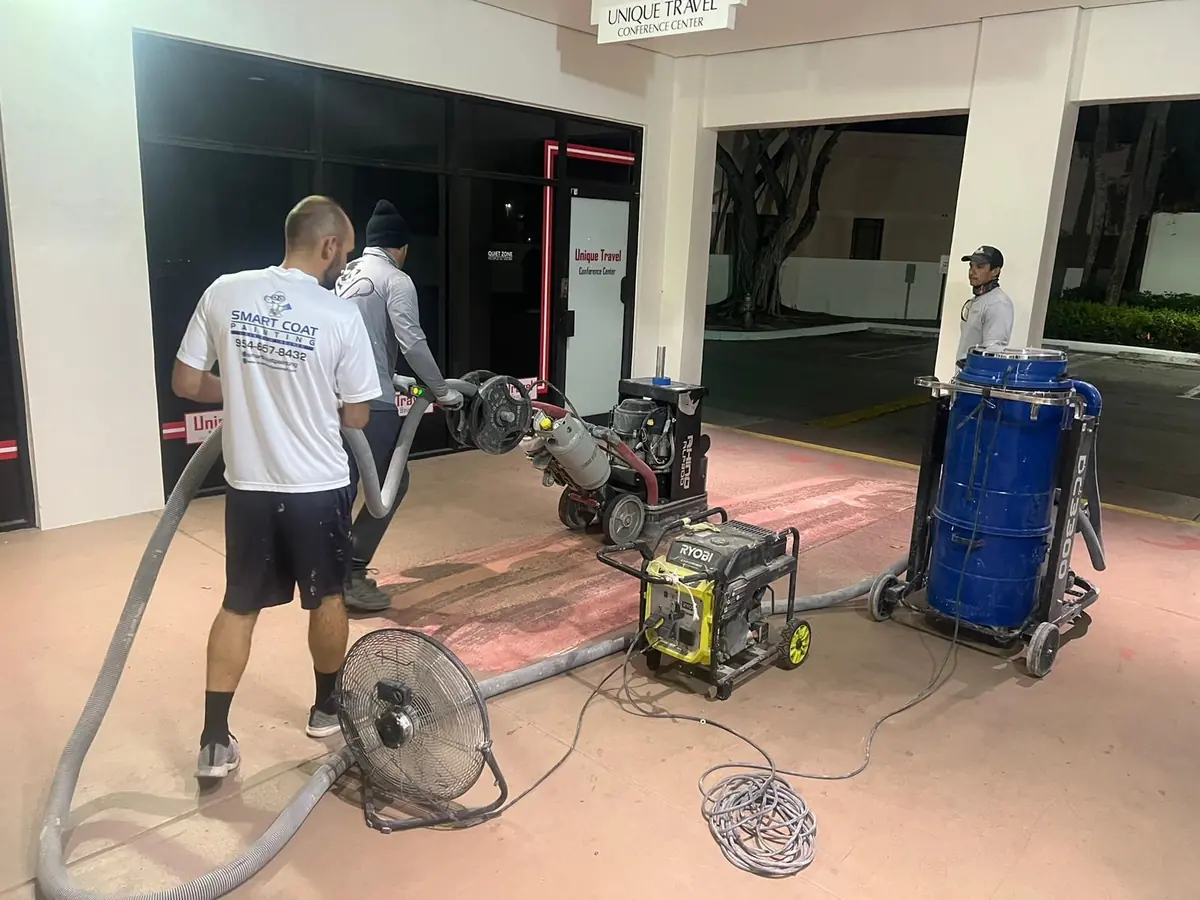
- Containment, dust control and full clean-down before the coating is applied
Our process for surface preparation
Assess the substrate
We identify the material, what is on it and what coating is going over it, then choose between grinding and blasting — and the abrasive or diamond grade that suits.
Contain and protect
Adjacent surfaces, equipment, openings and landscaping are protected, and containment and dust extraction are set up before any work starts.
Prepare the surface
The surface is ground or blasted to the required profile — even, contaminant-free and mechanically keyed for the coating that follows.
Clean down and hand over
Dust and residue are removed and the surface is checked against the coating manufacturer's requirements before the next trade — or our own crew — starts coating.
Materials and systems
- Diamond grinding and polishing equipment with dust extraction
- Abrasive blasting equipment with graded abrasive media
- Containment systems and vacuum dust control
- Rust-inhibiting primers applied to blasted steel before it flash-rusts
On the job
What affects the price
- Area or item count and how accessible the surfaces are
- What has to be removed — thin coatings, thick epoxy, mastic or heavy rust
- Required surface profile for the specified coating system
- Containment and dust-control requirements in occupied buildings
- Whether we also apply the coating afterwards or hand over to another trade
Questions about this service
When do I need diamond grinding instead of pressure washing?
Whenever something has to come off the concrete rather than out of it. Washing removes dirt and organic growth; grinding removes coatings, glue, mastic and high spots and creates the surface profile that epoxy and urethane systems need to bond.
What is sandblasting used for?
Stripping rust, mill scale and old paint from steel, and roughening masonry or concrete where a coating needs a mechanical key. It is the standard preparation before coating structural steel, railings, gates, tanks and machinery.
Is abrasive blasting safe for my surfaces?
When the media and pressure are matched to the material, yes — that matching is the skill in the job. Soft masonry, thin metal and decorative surfaces need gentler media and lower pressure, and some surfaces should not be blasted at all.
How do you control the dust?
With containment and vacuum extraction on grinding equipment, and enclosure and screening for blasting. In occupied buildings we agree the containment plan and working hours before we start rather than after the first complaint.
Can you prepare a floor for epoxy coating?
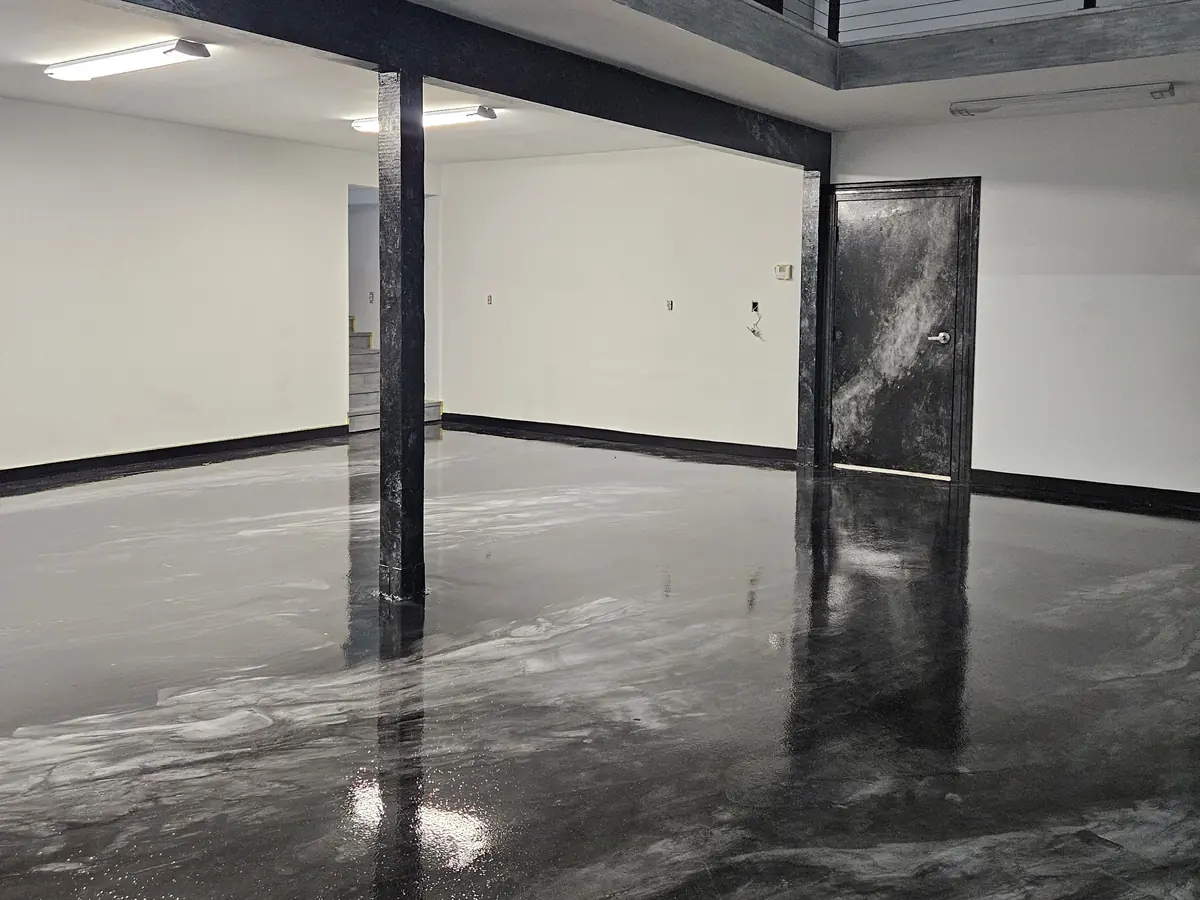
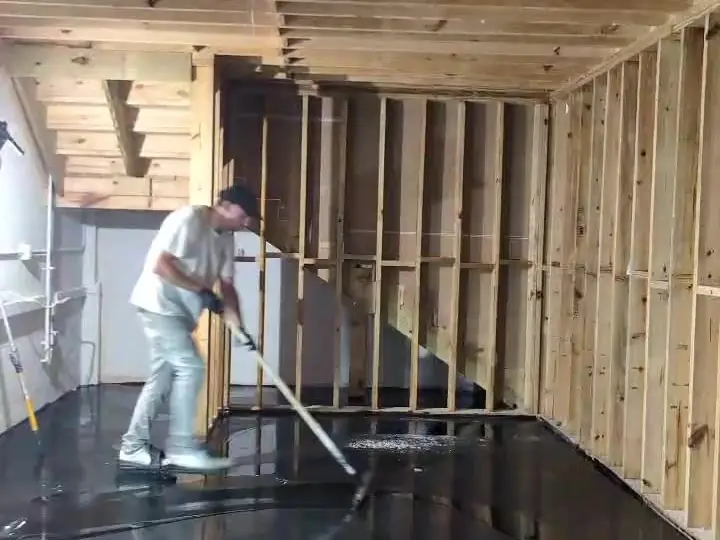
Yes — that is one of the most common reasons to grind. The floor is ground to the profile the epoxy manufacturer specifies, cleaned down and handed over, or coated by our own crew as part of the same contract.
Do you work in occupied buildings?
Yes, with containment, dust extraction and phasing agreed in advance. Occupied work often means evening or weekend hours, and we price that into the schedule up front.
Keep looking
Related services
- Concrete RestorationSpalling repair, crack repair and structural concrete restoration on balconies, decks and structures.Explore
- WaterproofingWalls, balconies, decks and joints sealed against wind-driven rain and standing water.Explore
- HOA & Community PaintingWhole-community and condo building repaints, phased around residents.Explore
Where we do surface preparation
Guides
Guides on surface preparation
Sourced answers to the questions this work raises most often. Every figure carries a citation.
All guidesNo obligation
Get a price for your surface preparation job
Send the details and we will walk the property, write a scope you can read, and price it line by line.